Mobility Equipment for Independent Living plays a critical role in improving independence, safety, and confidence for individuals who experience difficulty with movement. Whether supporting seniors, people living with disabilities, or those recovering from surgery, the right mobility equipment provides practical solutions that enhance everyday life.
Today, more families across Australia are investing in mobility equipment to create safer home environments. However, choosing the right equipment requires understanding individual needs, physical limitations, and long-term goals. Therefore, it is essential to explore the different types available and how they contribute to independent living.
Mobility Equipment for Safe and Independent Living at Home
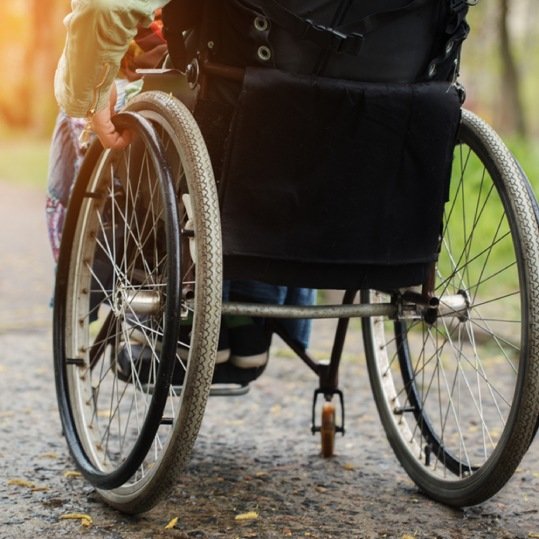
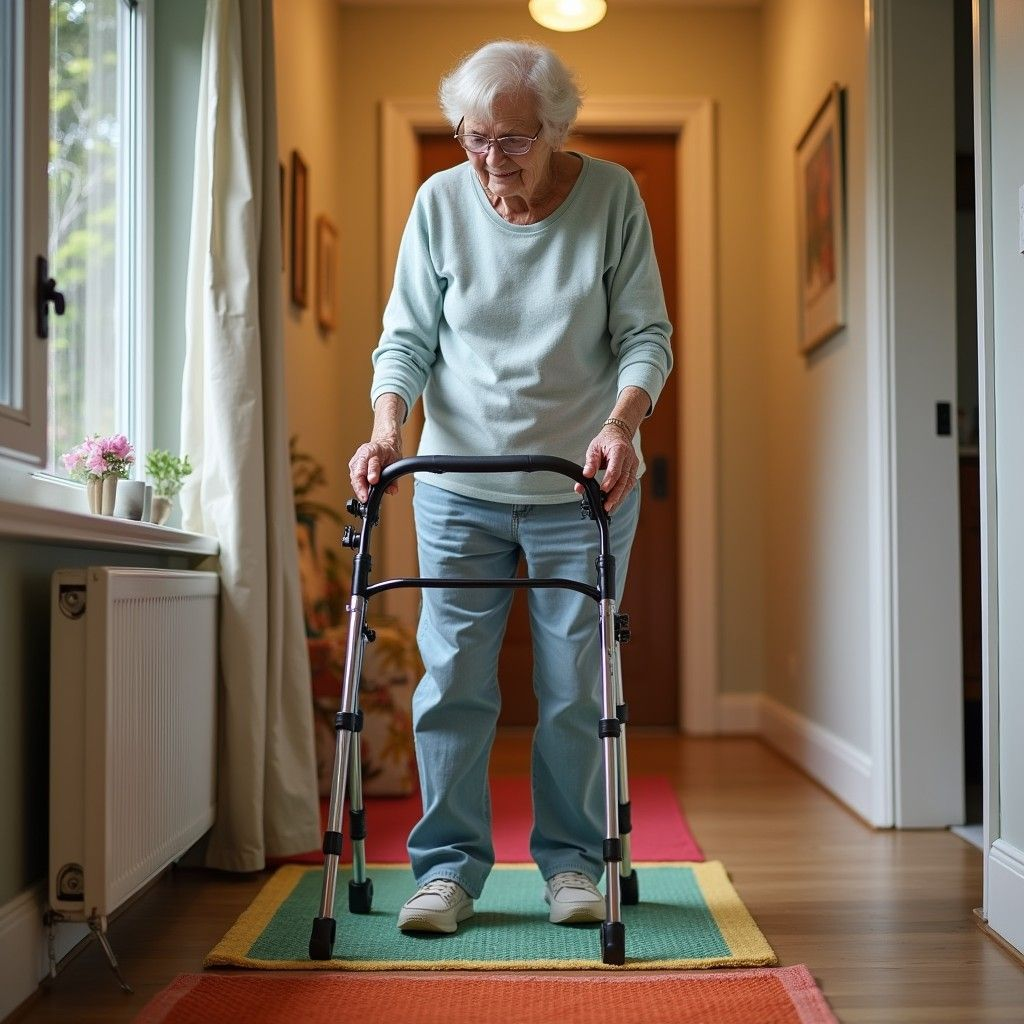
Home should be a space of comfort and security. Mobility equipment such as walkers, rollators, wheelchairs, and mobility scooters allows individuals to move safely within their own environment. Moreover, these tools reduce the risk of falls, which are among the most common causes of injury in older adults.
For example, walking frames provide balance and support while encouraging mobility. In addition, powered mobility scooters offer freedom for outdoor errands and social activities. As a result, individuals maintain independence without relying heavily on carers.
Many families also integrate mobility equipment with other assistive products. You can explore related support solutions in our guide on Adjustable Beds for Home Care (Inbound link example).
Mobility Equipment for Seniors and Disability Support
Mobility does not stop at the front door. In fact, community engagement is essential for mental wellbeing and social connection. Mobility equipment enables individuals to participate confidently in daily activities such as shopping, attending appointments, and visiting friends.
Lightweight wheelchairs and foldable walkers make transportation easier. Furthermore, modern designs now include ergonomic grips, improved braking systems, and lightweight frames to enhance comfort and usability.
According to Australia’s Department of Health and Aged Care assistive technologies significantly reduce injury risk and improve independence among seniors and people with disabilities. Consequently, investing in high-quality mobility equipment contributes to both safety and quality of life.
Choosing the Right Mobility Equipment
Recovery after surgery or injury often requires temporary mobility support. Mobility equipment provides stability and controlled movement during rehabilitation. However, the type of equipment required depends on medical advice and the severity of the condition.
For instance, crutches may assist short-term recovery, while wheelchairs might be necessary for more complex cases. Additionally, physiotherapists often recommend gradual progression from stronger support devices to lighter mobility aids as strength improves.
Therefore, selecting appropriate mobility equipment ensures safe healing and reduces the likelihood of secondary injuries. In many cases, early access to proper equipment accelerates recovery outcomes.
Choosing the Right Mobility Equipment
Not all mobility equipment serves the same purpose. Selection should consider:
- Level of mobility limitation
- Indoor vs outdoor use
- Weight capacity and durability
- Comfort and adjustability
- Ease of transport and storage
Firstly, safety must always be prioritised. Secondly, comfort ensures long-term usability. Thirdly, professional guidance helps prevent improper use that may lead to discomfort or strain.
Moreover, proper fitting is essential. Equipment that is too large, too small, or poorly adjusted may increase fall risk rather than reduce it.
You may also explore our article on Living Aids and Daily Support Solutions (Inbound link example) to understand how mobility equipment integrates into broader home care plans.
Benefits of Using Mobility Equipment
Mobility equipment offers multiple long-term benefits:
- Improved independence
- Reduced fall risk
- Greater confidence
- Enhanced social participation
- Better physical and mental wellbeing
As a result, individuals feel more empowered in their daily routines. Furthermore, carers experience less physical strain when assisting with movement and transfers.
The psychological impact is equally important. Being able to move independently fosters dignity, autonomy, and self esteem.
The Growing Demand for Mobility Equipment in Australia
Australia’s ageing population and expanding disability support programs have increased the demand for mobility equipment. In addition, NDIS and aged care funding pathways make assistive equipment more accessible for eligible participants.
Consequently, mobility equipment is no longer viewed solely as medical support. It is now recognised as an essential component of independent living and preventative care.
Final Thoughts on Mobility Equipment for Safe and Independent Living
Mobility equipment is more than a convenience it is a vital investment in safety, independence, and quality of life. Whether supporting seniors at home, assisting people with disabilities, or aiding recovery after surgery, the right mobility equipment makes daily activities safer and more manageable.
However, selecting appropriate equipment requires thoughtful assessment and professional advice. Ultimately, mobility equipment empowers individuals to live actively, confidently, and independently for longer.
Mobile: 0452 577 412
Website: www.hwcare.com.au
Gmail: hwcare@gmail.com
Address: Unit 5 85 Hampden Street, Lakemba, NSW 2195