In today’s evolving healthcare landscape, more people are choosing to receive care at home. As a result, services like NDIS support services play a crucial role in helping individuals access the right home care equipment.
The truth is, home care equipment is not limited to one specific group. Instead, it supports a wide range of individuals who require assistance with daily living, recovery, or long term care. Therefore, understanding who benefits from these tools can help families make informed and timely decisions.
What is Home Care Equipment?
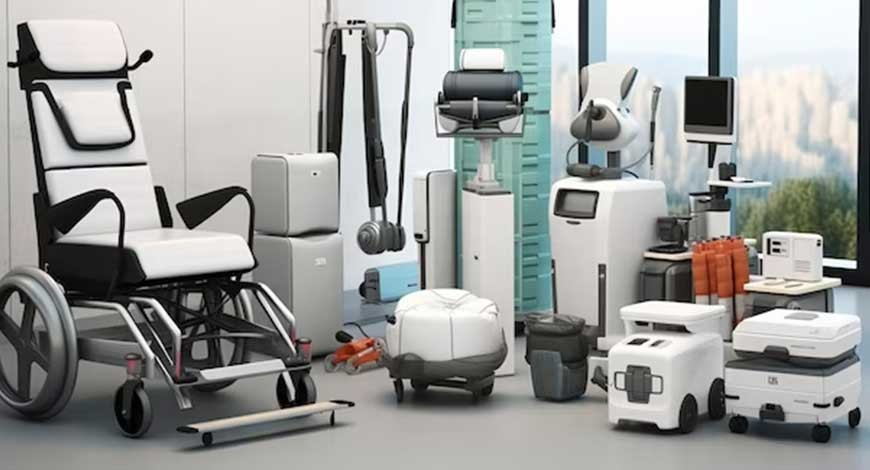
Home care equipment refers to devices and tools designed to assist individuals with medical needs, mobility challenges, or daily tasks at home. In other words, these products help improve safety, comfort, and independence without the need for constant hospital visits.
Moreover, home care equipment ranges from simple aids like walking sticks to advanced devices such as hospital beds and oxygen concentrators.
1. Elderly Individuals
One of the most common groups that need home care equipment is seniors. As people age, mobility, strength, and balance often decline. Therefore, everyday tasks can become more difficult.
For example:
- Walking aids like canes and walkers
- Bathroom safety equipment such as grab bars
- Adjustable beds for comfort
Additionally, seniors often benefit from daily living assistance services, which support them in managing routine tasks safely and independently.
2. People with Disabilities
Individuals with physical or cognitive disabilities often rely on home care equipment for daily support. In particular, assistive devices help them perform tasks that might otherwise require constant assistance.
For instance:
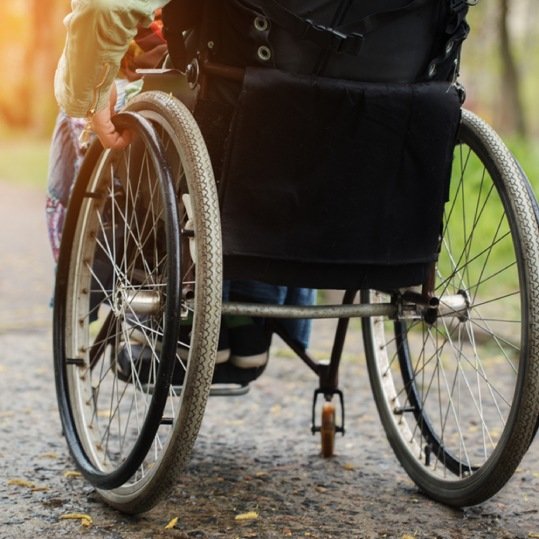
- Wheelchairs and mobility scooters
- Communication aids
- Adaptive kitchen tools
Furthermore, these devices promote inclusion and independence. Therefore, individuals can lead more active and fulfilling lives.
3. Patients Recovering from Surgery or Injury
Recovery after surgery or injury can be challenging. During this period, home care equipment plays a crucial role in ensuring a smooth and safe recovery.
Common equipment includes:
- Hospital beds
- Crutches or walkers
- Compression therapy devices
Moreover, these tools reduce strain and speed up healing. As a result, patients can recover comfortably without frequent hospital visits.
4. Individuals with Chronic Illnesses
Chronic conditions such as diabetes, arthritis, or respiratory diseases often require ongoing care. Therefore, home care equipment becomes essential for daily management.
Examples include:
- Blood pressure monitors
- Oxygen concentrators
- Nebulizers
Additionally, regular monitoring helps detect issues early. As a result, it reduces the risk of complications and hospitalizations.
5. Postnatal and New Mothers
Home care equipment is also beneficial for new mothers. After childbirth, women may require support for recovery and childcare.
For example:
- Nursing pillows
- Postnatal support belts
- Baby care essentials
Moreover, these tools provide comfort and convenience. Therefore, mothers can focus on recovery and bonding with their babies.
6. Individuals with Temporary Mobility Issues
Not all needs are long-term. Sometimes, people experience temporary mobility challenges due to accidents or medical conditions.
In such cases:
- Crutches
- Temporary wheelchairs
- Support braces
These aids, in addition, help individuals maintain mobility during recovery. As a result, they can continue daily activities with minimal disruption.
7. Caregivers and Families
Home care equipment does not just benefit patients it also supports caregivers. For instance, lifting aids and adjustable beds make caregiving easier and safer.
Moreover, these tools reduce physical strain on caregivers. Therefore, they can provide better care without risking their own health.
Benefits of Home Care Equipment
Home care equipment offers numerous advantages. Firstly, it promotes independence and dignity. Secondly, it enhances safety and reduces risks.
In addition:
- Improves quality of life
- Reduces hospital visits
- Saves time and costs
- Provides comfort and convenience
Ultimately, these benefits make home care equipment an essential part of modern healthcare.
Latest Trends in Home Care Equipment (2026)
The industry is evolving with technology and innovation. Therefore, staying updated is important.
1. Smart Health Monitoring
Devices now track health data in real time. For example, smart wearables monitor heart rate and oxygen levels.
2. AI-Powered Assistance
AI-based tools provide reminders and support daily tasks. As a result, users experience better care management.
3. Compact and User-Friendly Designs
Modern equipment is lightweight and easy to use. Therefore, it suits home environments perfectly.
4. Telehealth Integration
Many devices now connect with doctors remotely. Thus, patients can receive guidance without leaving home.
How to Choose the Right Home Care Equipment
Choosing the right equipment is essential. However, it depends on individual needs.
Here are some key factors:
- Type of condition or requirement
- Ease of use and comfort
- Safety features
- Budget and quality
- Professional recommendations
By considering these factors, you can select the most suitable equipment.
Conclusion
In conclusion, home care equipment is essential for a wide range of individuals—from seniors and patients to caregivers and new mothers. While needs may vary, the goal remains the same: to improve comfort, safety, and independence.
Therefore, investing in the right home care equipment is a smart and practical decision. Ultimately, it allows individuals to live with dignity and confidence in the comfort of their own homes.