
In today’s fast-paced world, maintaining independence and comfort in daily life is essential. However, for many individuals especially seniors, people with disabilities, or those recovering from injuries simple tasks can become challenging. This is where living aids play a crucial role.
Living aids, also known as assistive devices, are designed to make everyday activities easier, safer, and more manageable. From mobility support to smart home solutions, these tools are transforming lives. Therefore, understanding the right aids can help improve quality of life significantly.
What Are Living Aids?
Living aids are products or devices that assist individuals in performing daily tasks with greater ease and independence. In other words, they reduce physical strain and increase safety at home and outside.
Moreover, these aids are not limited to any specific group. For example, elderly individuals, people with disabilities, and even busy professionals can benefit from them.
Why Living Aids Are Important
Living aids are becoming increasingly popular, and for good reason. Firstly, they promote independence. Secondly, they enhance safety and reduce the risk of accidents.
Additionally, they improve confidence and mental well-being. As a result, users can lead a more comfortable and stress-free life.
Types of Living Aids That Make Daily Tasks Easier
1. Mobility Aids
Mobility aids are designed to help individuals move around safely and comfortably. For instance, walkers, wheelchairs, and walking sticks provide support and balance.
Moreover, modern mobility aids are lightweight and easy to use. As a result, users can maintain independence without relying heavily on others.
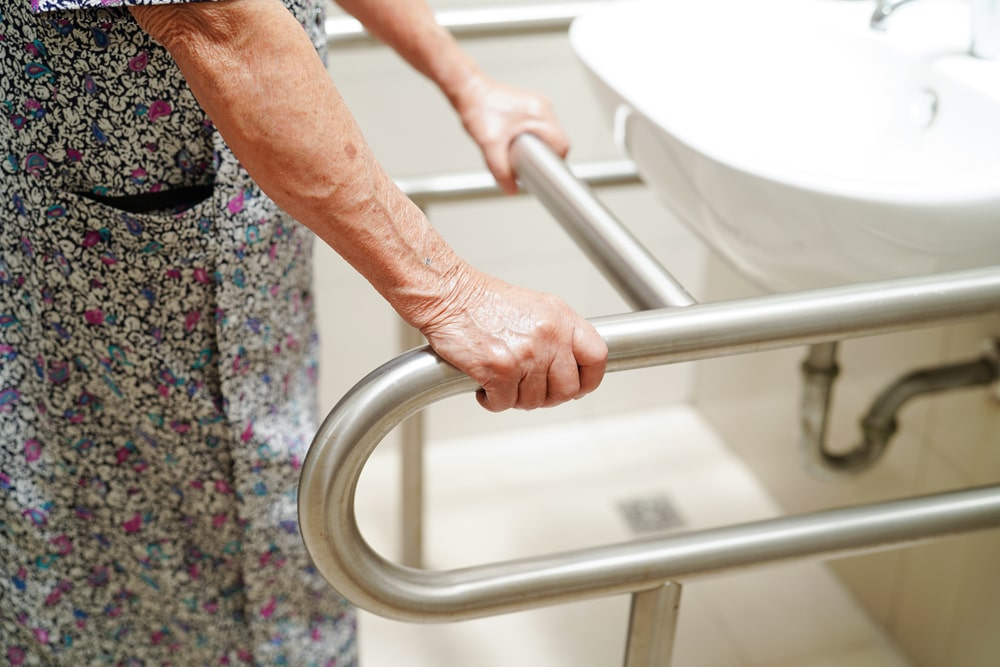
2. Bathroom Safety Aids
Bathrooms can be one of the most dangerous areas in a home. Therefore, safety aids are essential.
Common examples include:
- Grab bars
- Shower chairs
- Non-slip mats
These tools, in addition, reduce the risk of slips and falls. Consequently, users can feel more secure during daily routines.
3. Kitchen Aids
Preparing meals can be difficult for individuals with limited mobility or strength. However, kitchen aids simplify these tasks.
For example:
- Easy-grip utensils
- Jar openers
- Electric can openers
Furthermore, these tools save time and effort. As a result, cooking becomes more enjoyable and less stressful.
4. Smart Home Devices
Technology is changing the way we live. In recent years, smart home devices have become a major trend.
Examples include:
- Voice-controlled assistants
- Smart lighting systems
- Automated door locks
These devices, therefore, allow users to control their environment with minimal effort. Additionally, they enhance convenience and safety.
5. Personal Care Aids
Personal hygiene is essential, but it can be challenging for some individuals. That said, personal care aids provide much-needed support.
For instance:
- Long handled brushes
- Dressing aids
- Electric toothbrushes
As a result, individuals can maintain hygiene independently and with dignity.
6. Daily Living Aids for Comfort
There are many small tools that make a big difference in everyday life. For example:
- Reachers or grabbers
- Bed rails
- Ergonomic cushions
Although simple, these aids improve comfort and reduce physical strain. Therefore, they are highly valuable in daily routines.
Latest Trends in Living Aids (2026)
The living aids industry is evolving rapidly. Therefore, staying updated with the latest trends is important.
1. Smart Assistive Technology
AI-powered devices are becoming more common. For instance, voice assistants can now control multiple home functions. As a result, users experience greater independence.
2. Wearable Health Devices
Smartwatches and health trackers monitor vital signs. Additionally, they provide real-time alerts, improving safety.
3. Compact and Portable Designs
Modern aids are designed to be lightweight and travel-friendly. Therefore, users can carry them easily.
4. Eco-Friendly Products
Sustainable living is gaining importance. Thus, many brands are offering eco-friendly assistive devices.
How to Choose the Right Living Aids
Choosing the right living aids depends on individual needs. However, there are a few key factors to consider:
- Comfort and usability: Ensure the product is easy to use
- Safety features: Look for reliable and durable materials
- Budget: Compare options to find cost-effective solutions
- Professional advice: Consult experts if needed
By considering these factors, you can make better decisions and maximize benefits.
Benefits of Using Living Aids
Living aids offer numerous advantages. Firstly, they improve independence. Secondly, they enhance safety and reduce risks.
Moreover, they save time and energy. In addition, they boost confidence and overall well-being.
Ultimately, living aids empower individuals to live a more fulfilling life.
Conclusion
In conclusion, living aids are essential tools that make daily tasks easier and more manageable. While challenges in daily life are common, the right assistive devices can make a significant difference.
Therefore, investing in living aids is a smart step toward better living. Whether it is mobility support, smart technology, or simple daily tools, these aids enhance comfort, safety, and independence.
Ultimately, the goal is simple: to live life with ease, dignity, and confidence.
Phone: 0452 577 412
Website: hwcare.com.au
Gmail: hwcare@gmail.com
Address: Unit 5, 85 Hampden Street, Lakemba, NSW 2195