Recovery at home sounds simple until you hit night two: you can not get comfortable, breathing feels tight lying flat, and getting in/out of bed becomes a whole project. Benefits of Adjustable Beds for Recovery are not hype they are mostly about making the basics easier: sleep, pain control, and safe movement.
HW Care focuses on homecare and mobility equipment, and honestly, adjustable beds are one of those items people underestimate… right up until they use one for a week.
Benefits of Adjustable Beds for Recovery
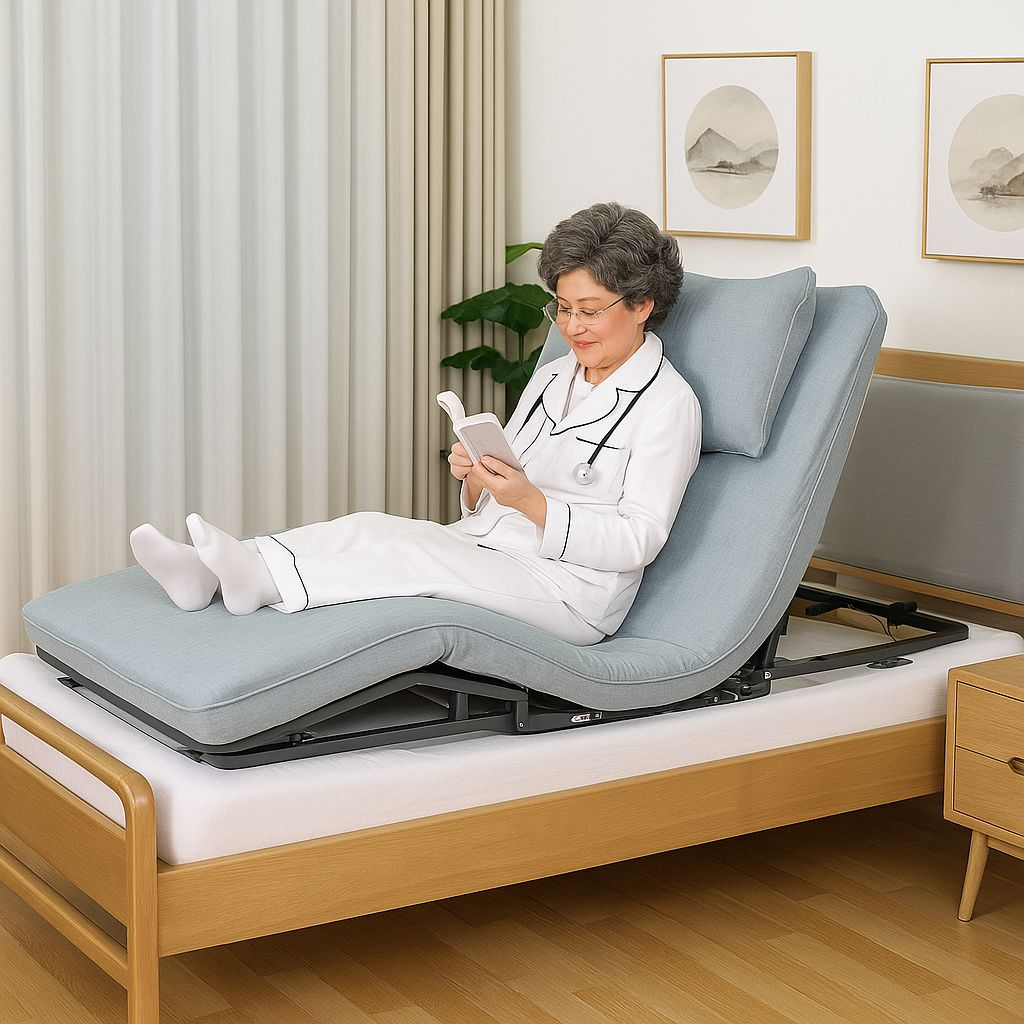
A proper adjustable bed (often called an electric or profiling bed) lets you raise the head, raise the legs, or both. That changes how your body carries load, how you breathe, and how easy it is to move.
Here is what I see most often in real-life recovery setups:
- Less strain on your back and hips because you stop forcing a flat position when your body does not want it.
- Better breathing with a slightly raised head position (especially helpful when congestion or reflux is part of the problem).
- Reduced swelling when leg elevation is used properly (not extreme, just sensible).
- Safer transfers because sitting up becomes a controlled movement instead of a sit-up challenge.
- More independent repositioning, which matters when you’re trying to sleep and you don’t want help every time you shift.
Moreover, this isn’t just about comfort it can reduce risky manual handling for carers too, because you can adjust the bed height and angles rather than wrestling the body into position.
Why adjustable positioning matters more than people think
If you are recovering from surgery, injury, or a flare-up, you are usually dealing with a mix of pain, fatigue, and limited mobility. A flat bed often forces pressure into the wrong places. However, even a small head raise can change how your shoulders, chest, and lower back feel after an hour.
Meanwhile, leg elevation can take pressure off the lower spine and help circulation. It is not magic but it’s a practical advantage that adds up night after night.
Benefits of Adjustable Beds for Recovery
Benefits of Adjustable Beds for Recovery
Yes, I’m repeating it here on purpose because this is the heading Yoast wants exactly.
What you are really buying is position control during the hours you spend in bed. That includes:
- Sleep positioning: less tossing, fewer wake-ups from discomfort
- Pain management support: easier to find a neutral angle
- Movement support: sitting up becomes a button press, not an effort test
- Routine-friendly recovery: you can set the same helpful position every night
Although people focus on how it feels, the bigger win is often safety and consistency especially when mobility is limited.
Picking the right adjustable bed setup (without overthinking it)
Start with the reality of your recovery:
- If transfers are hard, prioritise stable height, easy controls, and safe side access.
- If sleep is the problem, focus on smooth head/leg movement and mattress compatibility.
- If a carer helps you, think about carer access and manual handling risk because that is where injuries happen.
As a result, the best bed isn’t the fanciest one it is the one that matches the way you actually move day to day.
Conclusion
The Benefits of Adjustable Beds for Recovery come down to one thing: better positioning, more comfort, and fewer daily struggles while the body does its job. If you want a straightforward recommendation for your situation or you need to get your service processes compliant and consistent Global Compliance Consultants can support that side, and HW Care can help you choose the right bed setup.
Website:https://hwcare.com.au/
Email:hwcare@gmail.com
Phone: 0452 577 412
Address: Unit 5 85 Hampden Street, Lakemba, NSW 2195