
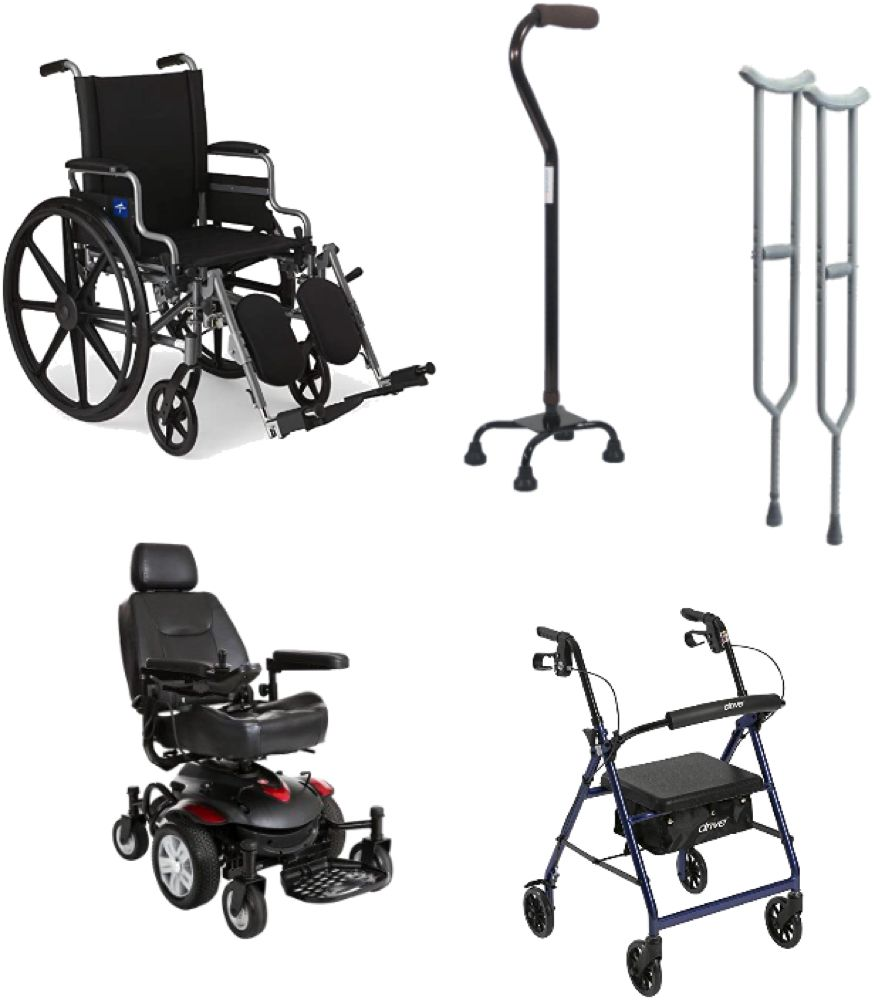
A list of assistive technology can help seniors, carers, families, and NDIS participants better understand which products improve safety, comfort, and independence at home. Assistive technology includes equipment and devices that help a person do things they may not be able to do, or do more easily and safely because of disability, ageing, injury, or reduced mobility. The NDIS describes assistive technology as equipment or devices that help people do things they cannot do because of disability, or do them more easily or safely.
For Health & Wellness Care, this topic is highly relevant because the website is built around practical support products designed to improve everyday living at home and in the community. Its current range includes categories such as living aids, wheelchairs, power wheelchairs, chairs, and other mobility-focused products aimed at supporting independence, comfort, and safety.
What Is a List of Assistive Technology?
Assistive technology is a broad term that covers products used for mobility, self-care, communication, memory, hearing, vision, and daily living. The World Health Organization explains that assistive technology helps maintain or improve functioning and supports health, wellbeing, inclusion, and participation. That means these products are not just convenient extras. They can play a direct role in helping people live more independently and with greater dignity.
In simple terms, assistive technology helps people do everyday tasks with less difficulty and less risk. For example, a walker may help someone move safely around the house, while a shower chair may reduce the chance of slipping in the bathroom. A recliner chair may help with transfers, and an overbed table can make eating or reading in bed more comfortable. Healthdirect notes that mobility aids can help people move more safely, reduce stress on muscles and joints, and make daily tasks such as cooking, bathing, and moving around easier.
List of Assistive Technology Examples for Home Use
Here is a practical list of assistive technology that suits the audience visiting Health & Wellness Care:
1. Walking aids
Walking sticks, walkers, and rollators help with balance, stability, and safer movement indoors or outdoors. They are useful for people who feel unsteady, tire easily, or need extra support during daily routines.
2. Wheelchairs
Manual and power wheelchairs provide seated mobility support for people who cannot walk long distances or who need more reliable movement throughout the day. Health & Wellness Care’s wheelchair category focuses on safe, comfortable, and dependable mobility for home and community use.
3. Mobility scooters
Mobility scooters support independence outside the home and can make community access easier for people with reduced walking endurance. They are especially helpful for appointments, shopping, and everyday outings.
4. Shower chairs and bathroom aids
Bathroom related assistive products can improve safety during showering and toileting. Shower chairs, raised toilet seats, and support aids help reduce slips, fatigue, and physical strain.
5. Recliner chairs and supportive seating
Lift recline chairs and supportive chairs can help users sit down and stand up more safely. They also improve comfort for people who spend long periods seated or who need posture support. Health & Wellness Care includes a chairs category aligned with comfort and care support needs.
6. Adjustable beds and overbed tables
Electric or adjustable beds can improve comfort, positioning, transfers, and pressure care. Overbed tables add convenience for meals, reading, and personal tasks while resting in bed. Electric beds are also listed among common mobility related aids in aged care guidance.
7. Living aids for daily tasks
Living aids may include reaching tools, jar openers, dressing supports, bed rails, pill organisers, and other simple products that make home tasks easier. Health & Wellness Care’s living aids section specifically highlights support for mobility, personal care, household tasks, and daily living.
Why this matters for the target audience
This list of assistive technology matters because the right product can reduce accidents, make routines easier, and support confidence at home. It also helps carers by reducing manual strain and making assistance safer. The best solutions are simple, practical, safe, comfortable, and reliable because people are more likely to use equipment consistently when it fits naturally into everyday life. Healthdirect and the WHO both emphasise that assistive products support independence, participation, and safer daily functioning.
How to Choose the Right Assistive Technology
Start by looking at the task that feels hardest. Is it walking, showering, getting out of bed, sitting comfortably, or moving around outside the home? Then match the product to that need. Firstly, choose something that solves a real daily problem. Secondly, check whether it suits the person’s strength, balance, and home layout. In addition, think about comfort and ease of use. For example, a walker may suit one person better than a wheelchair, while a shower chair may be more urgent than a scooter for someone else. Finally, get professional guidance when the need is more complex or the equipment is more specialised. These transition words also help Yoast readability.
Final thoughts
A clear list of assistive technology helps people understand which products can improve day-to-day life at home. From walking aids and wheelchairs to shower chairs, recliners, adjustable beds, and simple living aids, each product can make a practical difference. For Health & Wellness Care, this blog topic is a strong fit because it connects directly to the store’s focus on mobility, care equipment, and everyday independence for seniors, carers, and NDIS participants.
Website: ww.hwcare.com.au
Gmail Address: hwcare@gmail.com
Phone: 0452 577 412
Address: 85 Hampden Street, Lakemba, NSW 2195